
[Photo Preservation Guide] What to do when paper photos get moldy and faded? 8 degradation phenomena and moisture-proof countermeasures

Facing Taiwan's incessant rainy season, find a safe microenvironment for your cherished images.
Sister Weiss's 3-Minute Core Guide
Have your beloved photos molded or faded? Don't panic! This article will provide you with the most practical guide for moisture-proof emergency care. We will combine scientific data from international authoritative imaging institutions to help you understand the invisible killers that damage paper, and find a perfect, permanent preservation solution for your precious memories.
Professional Preamble: Before discussing how to "preserve" your photos, if you want to understand what printing technique was used for your photos (e.g., giclée, laser, dye-sublimation), we recommend reading the first part of this series: "Photo Printing or Photo Developing? A Comprehensive Analysis of Taiwan's 5 Major Printing Channels and Imaging Output Technologies," which will help you more accurately match the maintenance recommendations in this article.
What to Do When Photos Fade or Mold? Daily Emergency and Protection Advice
Facing Taiwan's unique island climate, we cannot change the environment, but we can create a comfortable microenvironment for precious works through daily care. Below are our practical daily maintenance recommendations, compiled from the scientific standards of international image preservation institutions:
■ Daily Temperature and Humidity Balance
- Utilize Air Conditioning and Dehumidification: When displaying paper or canvas artworks at home, aim to maintain indoor relative humidity between 45% - 55%, and avoid excessively high indoor temperatures to effectively slow down paper aging.
- Proper Flat Storage: For giclée photo papers or traditional photos not yet framed for display, a dehumidifying cabinet is their best home. It is recommended to store artworks flat instead of casually stacking them in wardrobes or drawers, which significantly reduces the risk of moisture damage and deformation.
- Avoid Air Conditioner Vents: Drastic temperature changes can cause paper to crack due to thermal expansion and contraction. When choosing a display wall for your artworks, it's safer to avoid locations where cold or hot air blows directly onto them.


■ Gentle Protection from Light and Air
- Professional Framing Barrier: To block UV light and environmental impurities in the air, when formally displaying giclée prints, it is recommended to use "acid-free materials" combined with "UV-resistant glass or acrylic" for enclosed framing, adding an extra layer of protection to the image.
- Avoid Direct Light: Even with UV protection, it is still advisable to hang artworks on an indoor wall that is shaded, not exposed to direct afternoon sun, or any direct sunlight, allowing the colors to maintain their original vibrancy and depth for longer.
Completely Bid Farewell to Dehumidifying Cabinets: Weather-Resistant Metal Prints
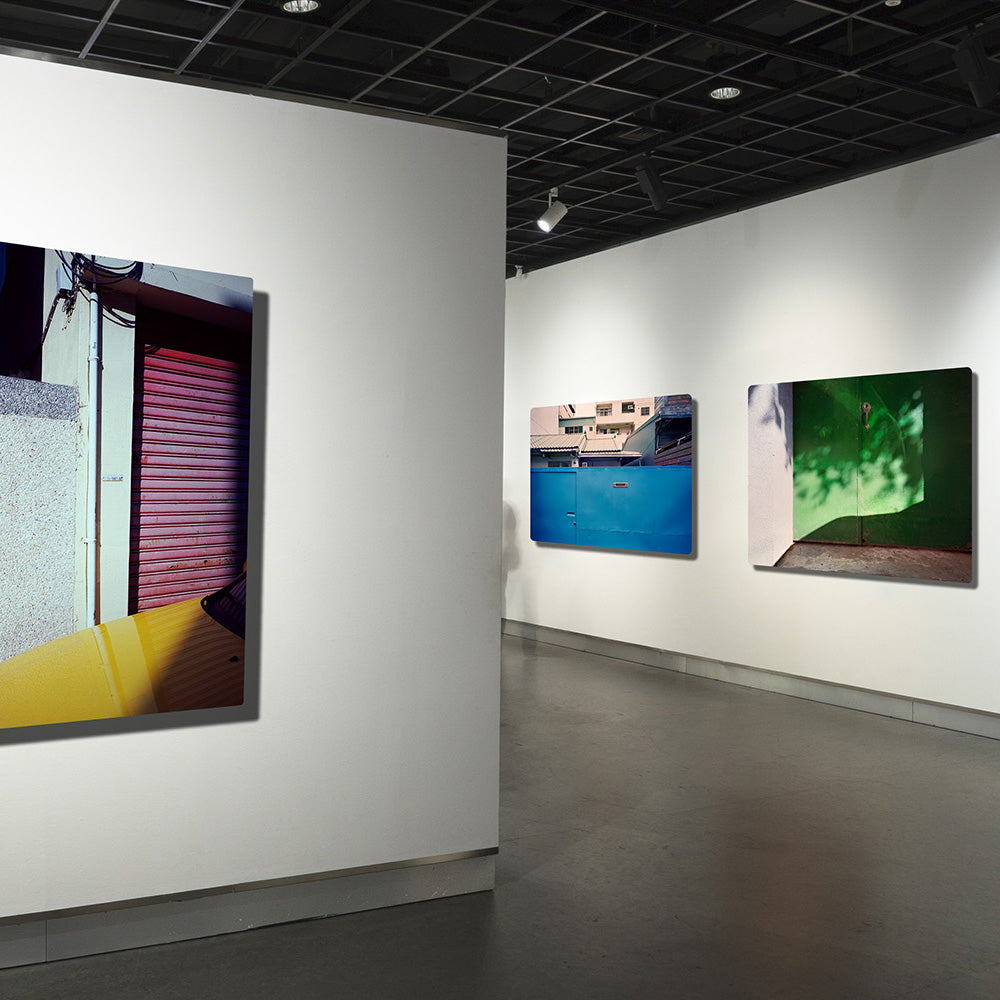
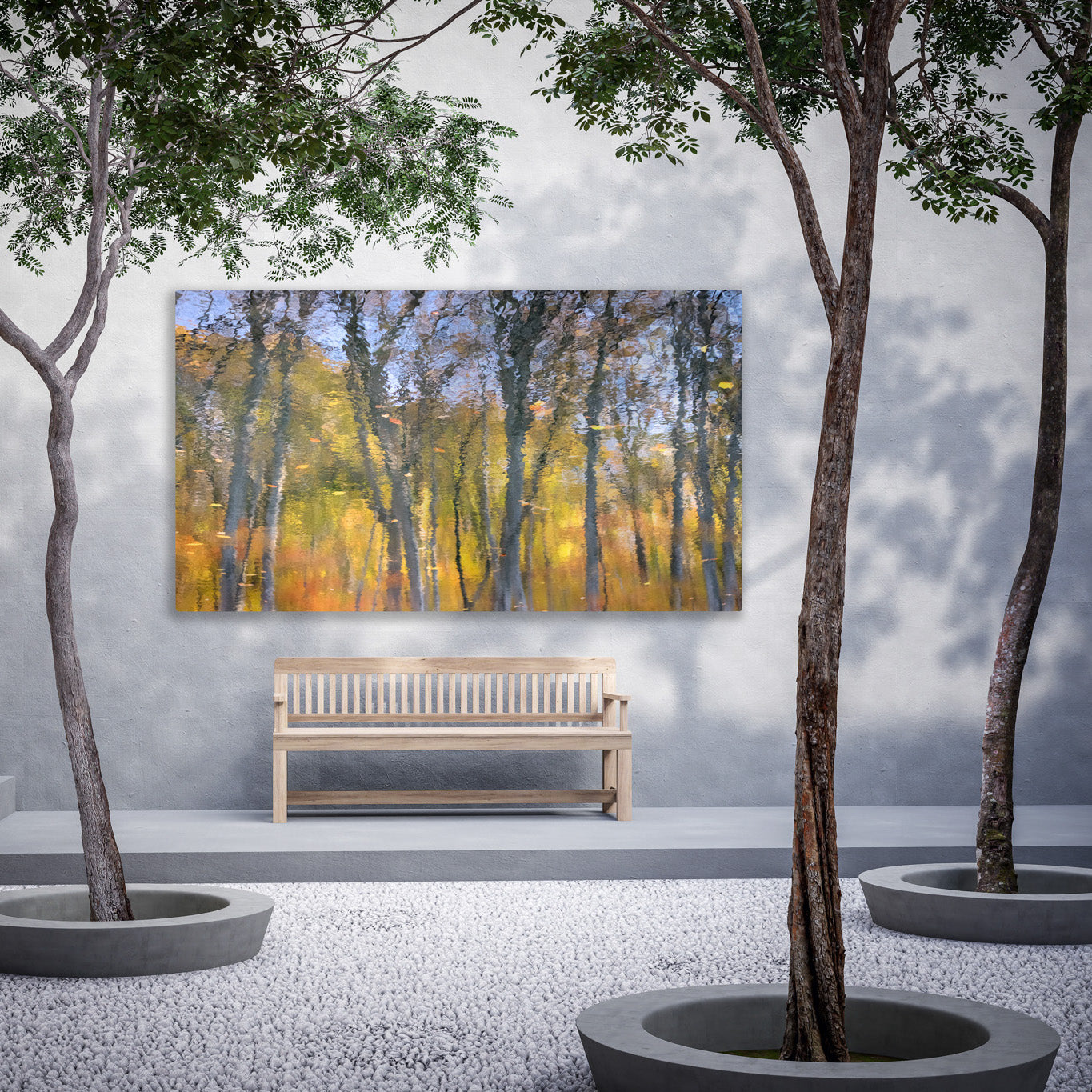
Maintaining ideal refrigeration temperatures and humidity is standard for national museums, but implementing this in everyday homes is undoubtedly a heavy burden. If you don't want to worry about temperature and humidity every day, or if you're upset about past molded artworks, we sincerely invite you to learn about this new generation of media combining contemporary imaging technology—ChromaLuxe Metal Prints.
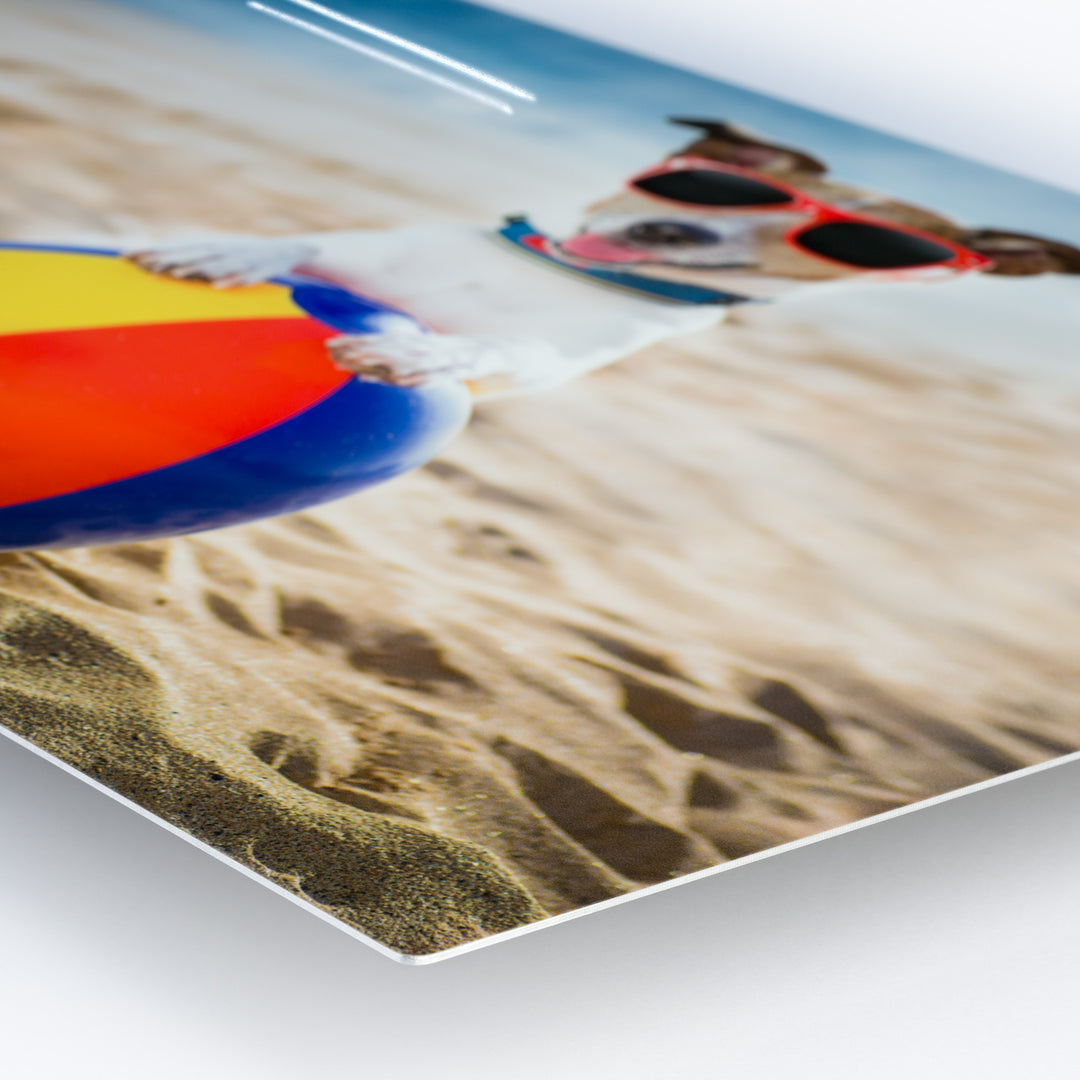
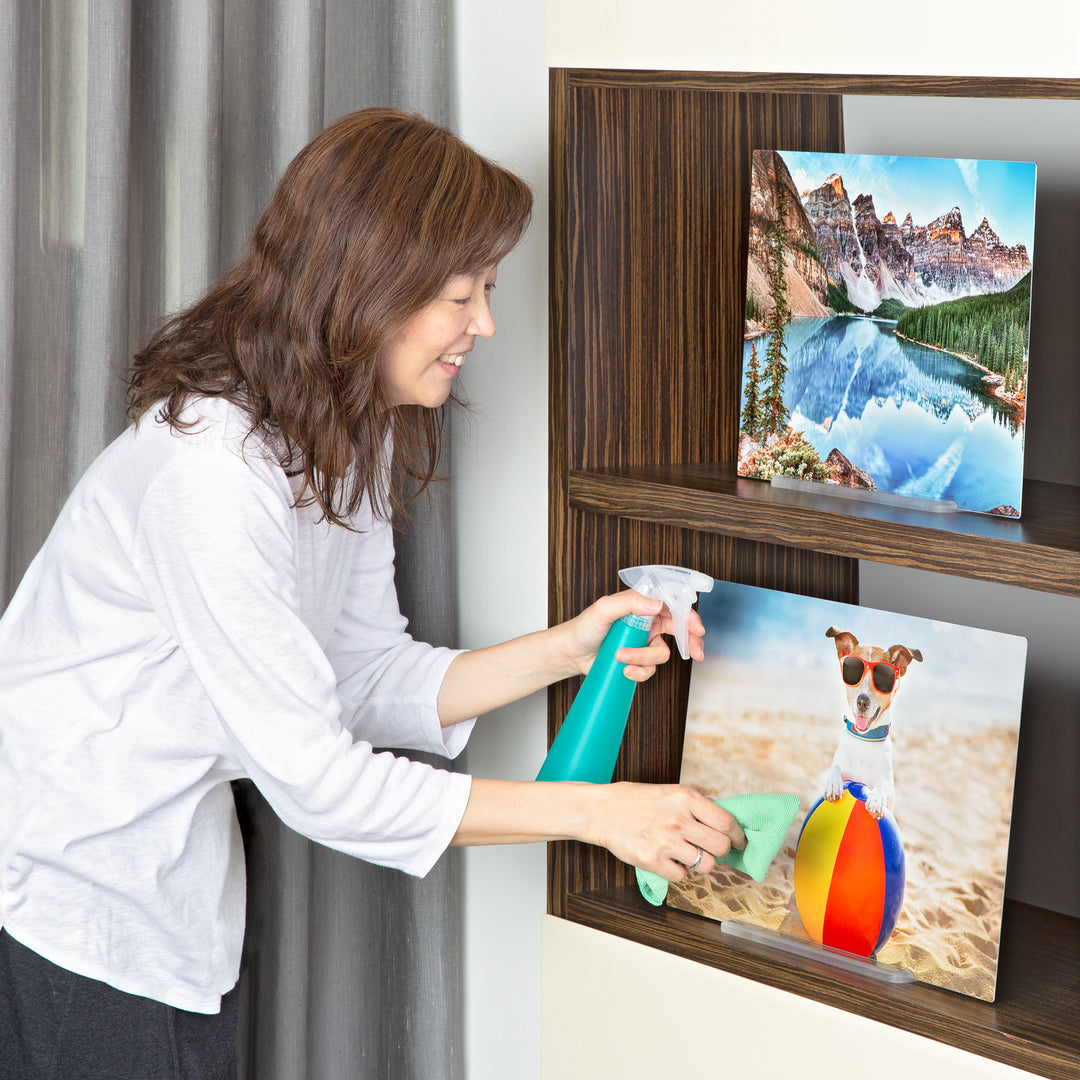
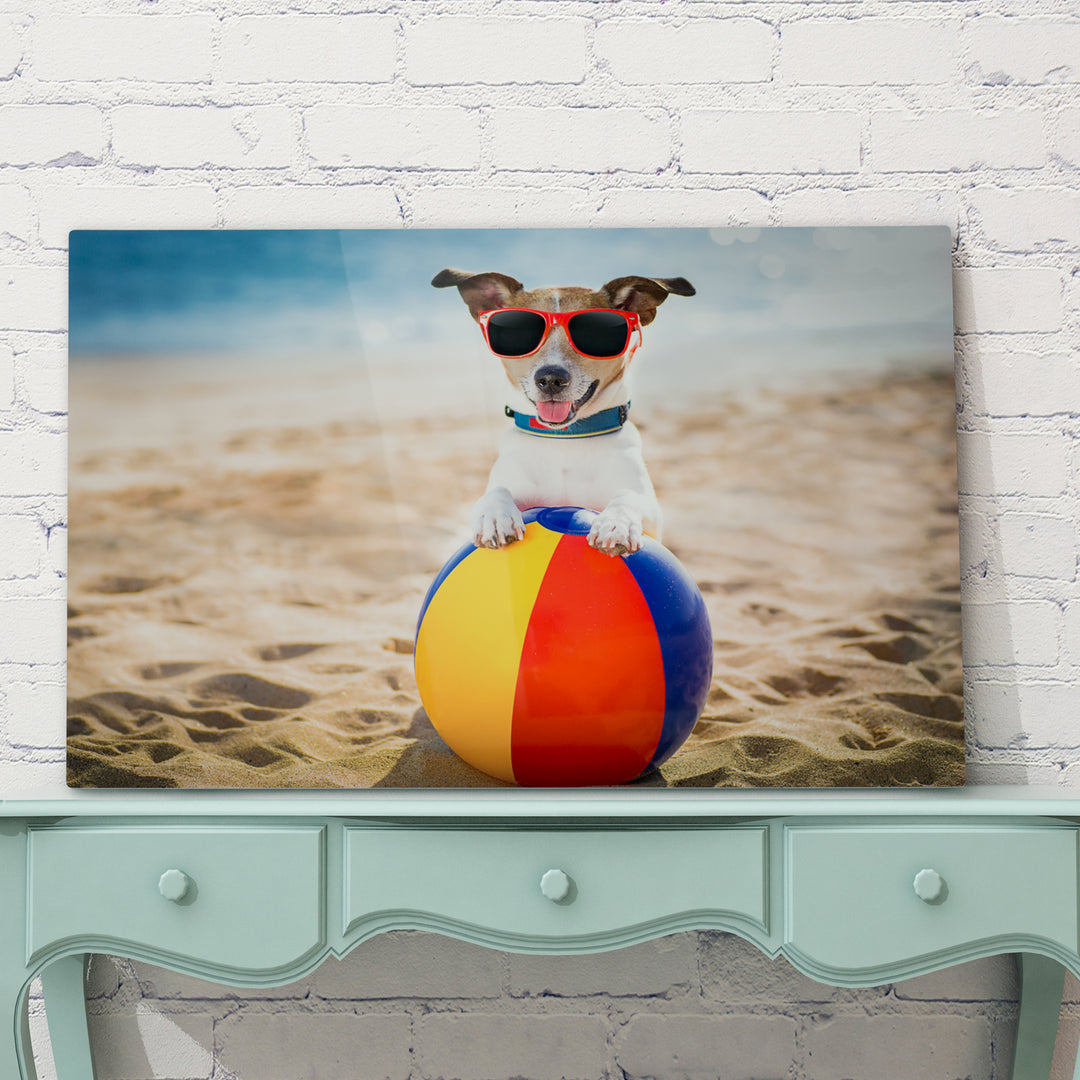
It infuses the soul of the image deep into the aluminum metal coating through advanced dye-sublimation technology. No acrylic protective layer is needed in front, allowing you to closely observe image details and enjoy the pure, unhindered viewing experience. Its inherent waterproof, moisture-proof, and scratch-resistant properties directly reduce environmental degradation risks to extremely low levels.
Discover the Charming Beauty of Metal PrintsIn-Depth Diagnosis: Why Are Traditional Photo Papers So Hard to Maintain?
After understanding the daily maintenance guidelines and the advantages of metal prints, let's look back from a scientific perspective to analyze why paper images are so fragile. In fact, whether it's traditional chemical processing or modern digital printing, as long as the base material is "paper," it will inevitably face degradation over time and with environmental changes.
For this reason, the American IPI (Image Permanence Institute) has specifically defined the 8 most common photo disasters. Next, we will use actual laboratory comparison photos to clearly show you these irreversible physical and chemical damages:
1. Yellowing, Cracking, and Fading

Paper base oxidizes and turns yellow over time, severely affecting the artwork's contrast and appearance.
[Image Source]

Excessively dry environments or drastic temperature changes cause the surface coating to become brittle and crack.
[Image Source]

Erosion by UV light or air pollution causes pigments to lose activity and colors to lighten.
[Image Source]
2. Delamination and Brightness Degradation (The Fatal Flaw of Glossy Photo Paper)

The photo paper's coating separates from the paper base due to moisture or aging.
[Image Source]

Normal glossy photo paper, with a smooth and even sheen on the surface.
[Image Source]

High humidity causes the image surface to become uneven, with water stain-like shiny spots.
[Image Source]
3. Ink Bleed, Sticking, and Mold (Most Common in Taiwan)

Water-based ink absorbs moisture from the air, causing pigment expansion and blurred edges.
[Image Source]

Top lines clearly spread in high humidity; bottom lines are from a normal environment.
[Image Source]
In addition to the laboratory photos above, Taiwanese readers are most familiar with "photos sticking together in albums (Blocking)" and "fluffy mold covering the photo paper surface (Mold)", both of which are caused by high temperature and high humidity.
The True Test of Environment: Intersecting Effects of Temperature and Humidity
We have compiled data from the IPI laboratory and found that the three natural elements of "temperature, humidity, and air pollution" leave specific traces of aging on different paper materials. Only by first understanding the impact of these climatic conditions on the materials can we more accurately find the most suitable daily care methods for our artworks:
| Challenge of Extreme Temperature (Heat) | Challenge of Extreme Humidity (Humidity) | Challenge of Air Pollution (Pollution) |
|---|---|---|
|
|
|
Scientific Guide: Ideal Preservation Environment for Various Materials
To minimize these physical and chemical changes, the IPI (Image Permanence Institute) has provided clear environmental guidelines for different printing technologies. From the table below, you can see that paper-based images require quite stringent standards for their preservation environment:
| Image Output Technology | Maximum Permissible Indoor Temperature | Safe Relative Humidity (RH) |
|---|---|---|
| Dye-sublimation output (e.g., FamilyMart photo kiosks, metal prints) | 20°C | 30% - 50% |
| Laser output (e.g., 7-11 ibon, commercial printing) | 20°C | 30% - 50% |
| Traditional chemical processing (black and white photos) | 12°C | 30% - 50% |
| Inkjet output (giclée, large format prints) | 4°C (refrigeration level) | 30% - 50% |
| Traditional chemical processing (color photo paper) | 4°C (refrigeration level) | 30% - 50% |
Data Source: IPI's Guide to Preservation of Digitally-Printed Images
The Reality Gap: Taiwan's Actual Climate vs. International Standards
After understanding the international laboratory standards, let's compare them with the official statistical data from Taiwan's Central Weather Administration (average from 1991-2020). Through this data, we can more objectively understand why daily maintenance of paper photos in Taiwan's island climate is a relatively challenging task:
| Region | Average Temperature | Days per year with temperature above 25℃ | Relative Humidity (Fatal Flaw) |
|---|---|---|---|
| Taipei | 23.5°C | Approx. 151 days | 74.8% |
| Taichung | 23.7°C | Approx. 179 days | 74.5% |
| Kaohsiung | 25.4°C | Approx. 223 days | 75.0% |
| Yilan | 22.8°C | Approx. 145 days | As high as 80.7% |
The safe humidity limit for paper images is 50%, but in Taiwan, even on sunny days without rain, the average humidity often exceeds 75%. Research shows that when environmental humidity exceeds 65%, the risk of inkjet photos bleeding and molding significantly increases; if it exceeds 80%, paper can even start to undergo physical changes within 24 hours. This reminds us that in Taiwan's climate, if paper images lack proper protection, the signs of aging will appear more rapidly.
Conclusion: Give Precious Images a Timeless Sanctuary
In Taiwan, a beautiful yet humid land, preserving paper images is indeed a long battle against time and climate. We deeply understand that every photograph carries irreplaceable precious memories and the immense effort of its creator.
Whether you are distressed by old photos damaged by moisture and mold, or looking for the most reliable output material for an upcoming exhibition, please don't struggle alone. We hope to accompany you on the journey of materializing images. If you have concerns about your photo files or are unsure if the current image quality is suitable for transfer to metal prints, feel free to use our free online assessment service. Let us help your memories find their serene sanctuary with professionalism and science.
Image Preservation FAQ
Q1: Taiwan is so humid, how can I preserve photos to prevent mold?
For traditional paper photos and giclée prints, the most fundamental method is to control environmental humidity between 40%-50%. Photos not yet displayed should be stored flat in an "electronic dehumidifying cabinet"; if displaying on a wall, it is highly recommended to use "museum-grade acid-free framing" with UV-resistant glass, and the display space should have a dehumidifier running constantly. If these conditions cannot be maintained, consider using "metal prints" which have 100% waterproof and moisture-proof properties, as an alternative to paper prints.
Q2: Why do photos in old albums stick together over time?
This phenomenon is called "Blocking" in image science. Taiwan's high summer temperatures combined with relative humidity exceeding 75% can soften and make the chemical coating on traditional photo paper or laser toner sticky. When photos are tightly stacked in albums for long periods without ventilation, the coatings will adhere to each other. Once stuck, forcing them apart will directly damage the image layer, which is the most common irreversible damage in high-humidity environments.
Q3: Giclée prints are said to last for a hundred years, can they still be affected by moisture?
Yes, they can. While the "12-color pigment inks" used in giclée prints have extremely strong UV and fade resistance (up to a hundred years under museum laboratory conditions), the substrate used is usually "pure cotton acid-free paper." As long as it's paper fiber, it will absorb moisture from the air. If exposed to Taiwan's high humidity environment of over 65% for prolonged periods, it can become a breeding ground for mold, and water-based inks may bleed or smudge. Therefore, environmental control remains a necessary condition for giclée preservation.
Q4: If I don't have a dehumidifying cabinet at home, are there any moisture-resistant printing materials you recommend?
If you want your images to easily blend into your home space without extensive maintenance, we highly recommend ChromaLuxe Metal Prints. They are created using dye-sublimation technology, where dyes are infused into a special coating on an aluminum panel. Because there are no paper fibers, they inherently offer waterproof, moisture-proof, and scratch-resistant advantages. Even when hung in relatively humid spaces like a bathroom exterior wall or basement, you won't need to worry about mold or wrinkling.
Authoritative References and Image Sources
- IPI's Guide to: Preservation of Digitally-Printed Images
- IPI Guide to Preservation of Digitally-Printed Photographs
- Taiwan Central Weather Administration: Taiwan Climate Statistics (1991-2020)
- All sample images of photo paper degradation in this article are cited from the public web data of the DP3 Project by the Image Permanence Institute (IPI) in the United States. All copyrights belong to the original institution.