
Comfortable for You, Comfortable for Metal Art: Home Display and Maintenance Guide
As you joyfully bring your exquisite photographic artwork home, ready to hang it on the wall, has a fleeting worry ever crossed your mind: "Taiwan is so humid, will metal prints quickly get moldy?" or "I don't have the air conditioning on 24 hours a day, will metal prints degrade due to heat?"
One-Minute Read: Metal Print Home Care FAQ
No time for a long read? These 4 key Q&A sessions summarize the most practical tips for home display and worry-free maintenance:
Q1: Taiwan is so humid, will it get moldy without air conditioning?
Q2: Can I hang it in a well-lit living room with direct sunlight?
Q3: I bought it but can't bear to hang it, can I store it in a cabinet with its packaging box?
Q4: How should I clean it during routine cleaning? Can I spray alcohol on it?
Further Reading: From Scientific Literature to Daily Home Life
In our "Ten-Year Research Brief: Preservation Science Analysis in Taiwan's Climate," we truthfully elaborate on the material limits under international preservation standards (IPI) and ISO specifications. In this "Practical Application Guide," we translate these hardcore chemical and physical principles into the most practical home display and maintenance guidelines for your daily life.
Ultimate Principle: If You're Comfortable, So Is the Artwork
Please take a deep breath and let go of your anxiety about image preservation!
As a workshop specializing in ChromaLuxe metal print craftsmanship, the phrase Sister Weis most often shares with customers is: "Please treat artwork like your family. As long as you feel comfortable in a well-ventilated, room-temperature indoor space, metal prints can safely integrate into your space and become the most beautiful companion in your daily life!"
According to statistics from the Central Weather Administration, the annual average relative humidity in major cities in Taiwan generally exceeds 74%. During spring and autumn when air conditioning isn't used, we humans regulate our body temperature with sweat glands and still feel cool and comfortable. However, for traditional "fine art inkjet prints," this presents a severe challenge. Paper, being plant fiber, absorbs moisture like a sponge, quietly fostering mold and irreversible fungal foxing.
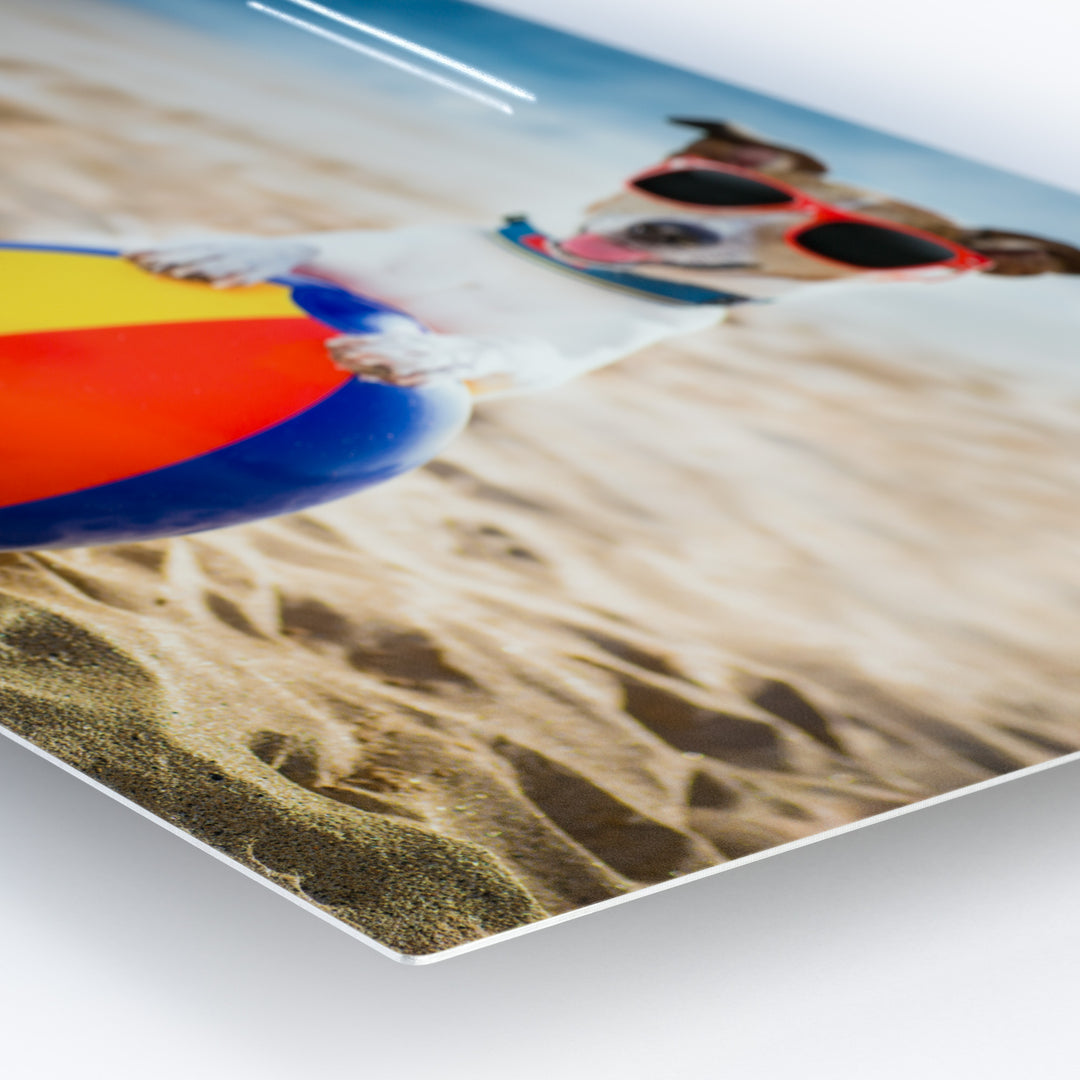
But ChromaLuxe metal prints are completely different! Their substrate is a monolithic pure inorganic aluminum alloy, covered with a high-temperature hardened polymer polyester coating, inherently possessing a "non-porous physical barrier."
This means metal prints have an excellent life-proof, water-resistant, and moisture-proof surface! In a normal room-temperature home environment where people feel comfortable, you don't need to spend a lot of money on protective frames or carefully enshrine them in electronic dehumidifying cabinets. They are inherently designed to safely integrate into your real life.

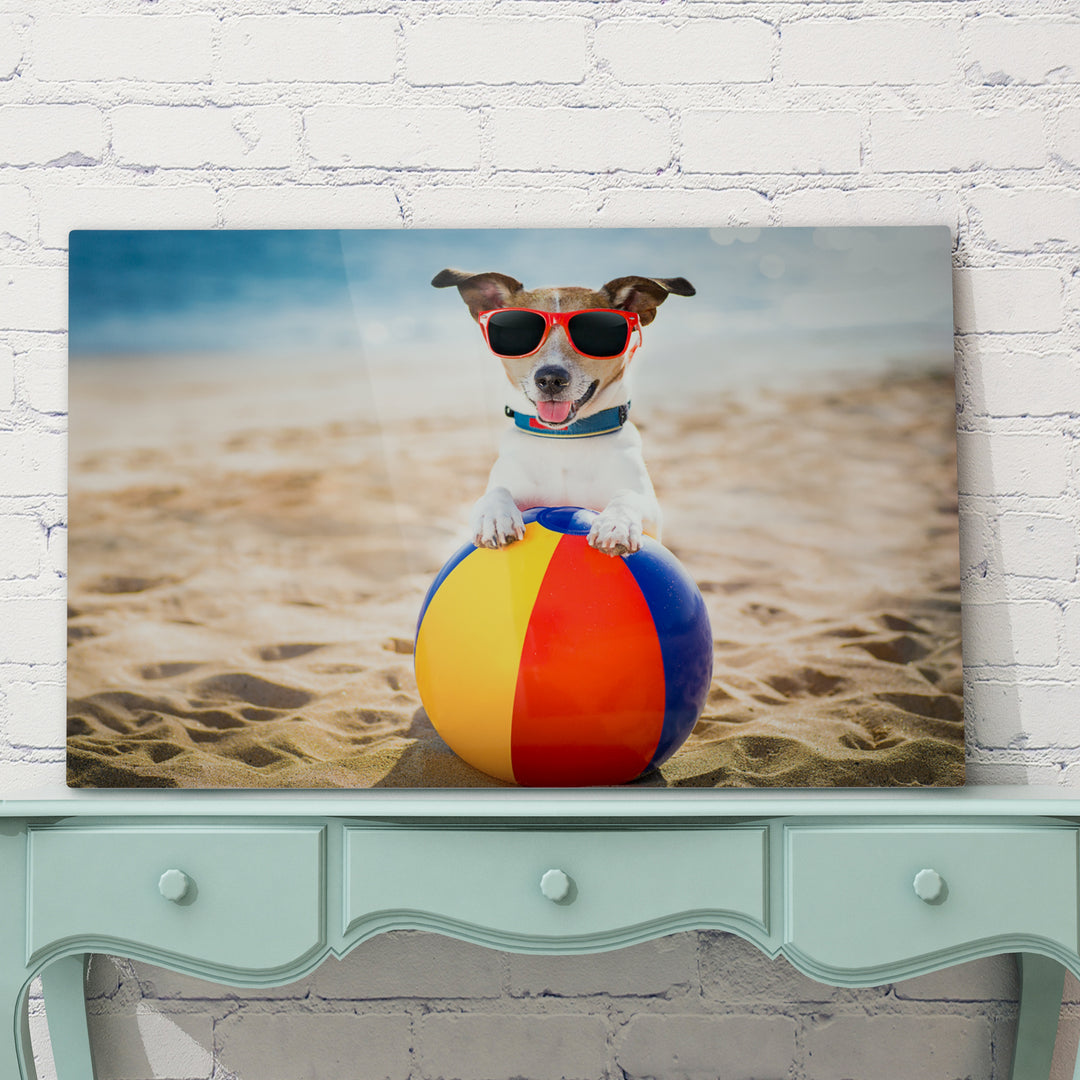
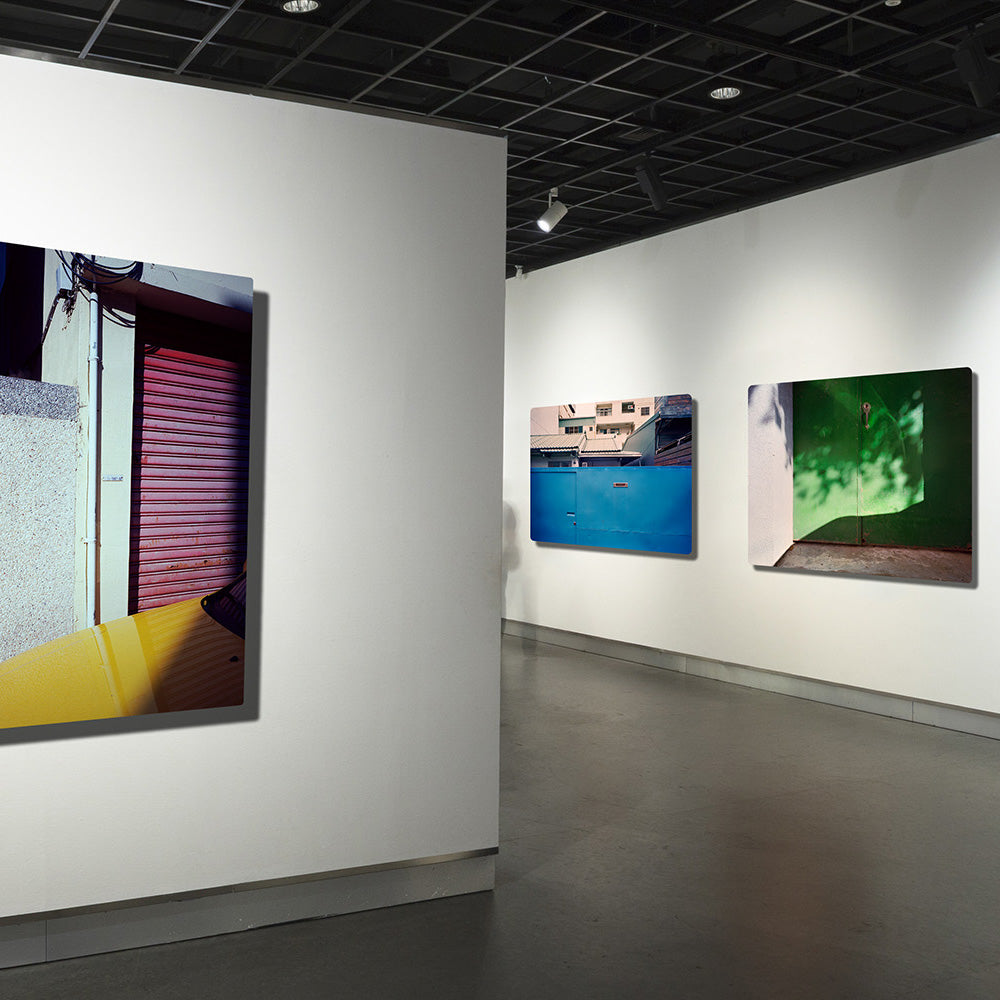
▲ Featuring an excellent life-proof, water-resistant, and moisture-proof surface, capable of gracefully handling the challenges of an island climate.
Real-World Scenario Analysis: Four Home Environments and Your Mounting Choices
To make it easy for you to understand, we've compiled this "Four Home Environment Factors Comparison Chart" based on 10 years of experimental data from international authoritative institutions (IPI, WIR). Please make the most suitable choice based on your "actual display environment":
| Real Home Scenario | Traditional Fine Art Inkjet Print | ChromaLuxe Metal Print | Sister Weis's Plain-Language Commentary |
|---|---|---|---|
|
Humid rainy season without AC (or hung on bathroom/restaurant outer walls) |
[Very troublesome] Paper easily absorbs moisture, gets moldy, and wrinkles. Requires frequent dehumidifier use or expensive moisture-proof mounting. |
[Lightweight, tough, and easy to maintain] Excellent surface protection, water and moisture resistant. Just keep the space ventilated, can gracefully handle island climates. |
Taiwan's humidity is too high. If you don't want to run a dehumidifier daily just for your artwork, choose metal prints. |
|
Living room with excellent lighting (Warm during the day, with natural light) |
[Afraid of strong light, afraid of temperature fluctuations] Frequent turning on/off of AC can cause condensation inside glass frames, leading to sticking; also, most photographic papers contain optical brightening agents (OBAs) which rapidly degrade under strong direct light, causing severe yellowing stains in bright areas. |
[Afraid of stuffiness, afraid of direct light] Naturally OBA-free, its whiteness comes from the purity of the substrate; bright areas won't yellow due to chemical degradation. As long as direct sunlight and extreme stuffy heat above 50 degrees Celsius are avoided, naked display at room temperature is very stable and beautiful. |
If people are comfortable, the artwork is comfortable. Avoid direct sunlight, hang in indirect indoor light, and both will accompany you for a long time. |
|
Bought it but can't bear to hang it (Stored in a closet with the cardboard box) |
[Highly dependent on acid-free packaging] Stored in acid-free cardboard boxes, it is relatively stable. If stored in an "ordinary corrugated cardboard box" in a stuffy environment, the acidic gases and moisture released by the cardboard can easily cause the photographic paper to mold and lead to acid burn with yellowing edges. |
[Absolutely not!] Ordinary corrugated cardboard boxes contain lignin and acidic gases. When hot and stuffy, they release chemical off-gases like acetic acid, which, when absorbed by the polyester coating, will strongly catalyze and "yellow" the metal print. |
This point is most often overlooked! Upon receiving metal prints, please unbox them immediately for ventilation, allowing them to breathe naturally! |
|
Annual New Year's cleaning (Daily dusting and maintenance) |
[Extremely delicate] The surface must not get wet; only use an electrostatic brush or soft brush to gently dust, as dark areas are highly prone to scratches. |
[Super easy] The surface coating is extremely scratch-resistant. Just use a slightly damp cloth or spray a little diluted alcohol and wipe gently for a spotless finish. |
Metal prints come with protective armor. Perfect for those with children, pets, or those who don't want to spend much effort on maintenance. |
Sister Weis's Conclusion:
If you seek the warm texture of classical paper, be prepared to equip yourself against humidity (24-hour air conditioning, UV-resistant acrylic, and acid-free cotton backing); but if you wish for artwork to gracefully integrate into your home life, free from worries about mold and glass glare, then metal prints, with their airtight protective armor and suitability for naked display, are absolutely your most reassuring choice for lasting enjoyment.
Invisible Environmental Variables: 4 Display Blind Spots in Daily Spaces
Although we say "if you're comfortable, the artwork is comfortable," there are still a few invisible blind spots in real home environments that we humans find comfortable and convenient, yet can silently damage metal prints:
1. "Sun-Drenched Living Room" with Excellent Lighting
- Human perception: Sunlight pouring in feels very warm and pleasant, perfectly OK!
- Metal print risk and comparison with photographic paper: Although it won't yellow rapidly like traditional photographic paper due to strong light, prolonged direct exposure to strong sunlight can still cause colors to "slowly fade." To avoid color loss later, be sure to prevent direct sunlight exposure as early as possible.
- Display recommendation: Please hang the artwork in an "indoor area with indirect light, away from direct sunlight."

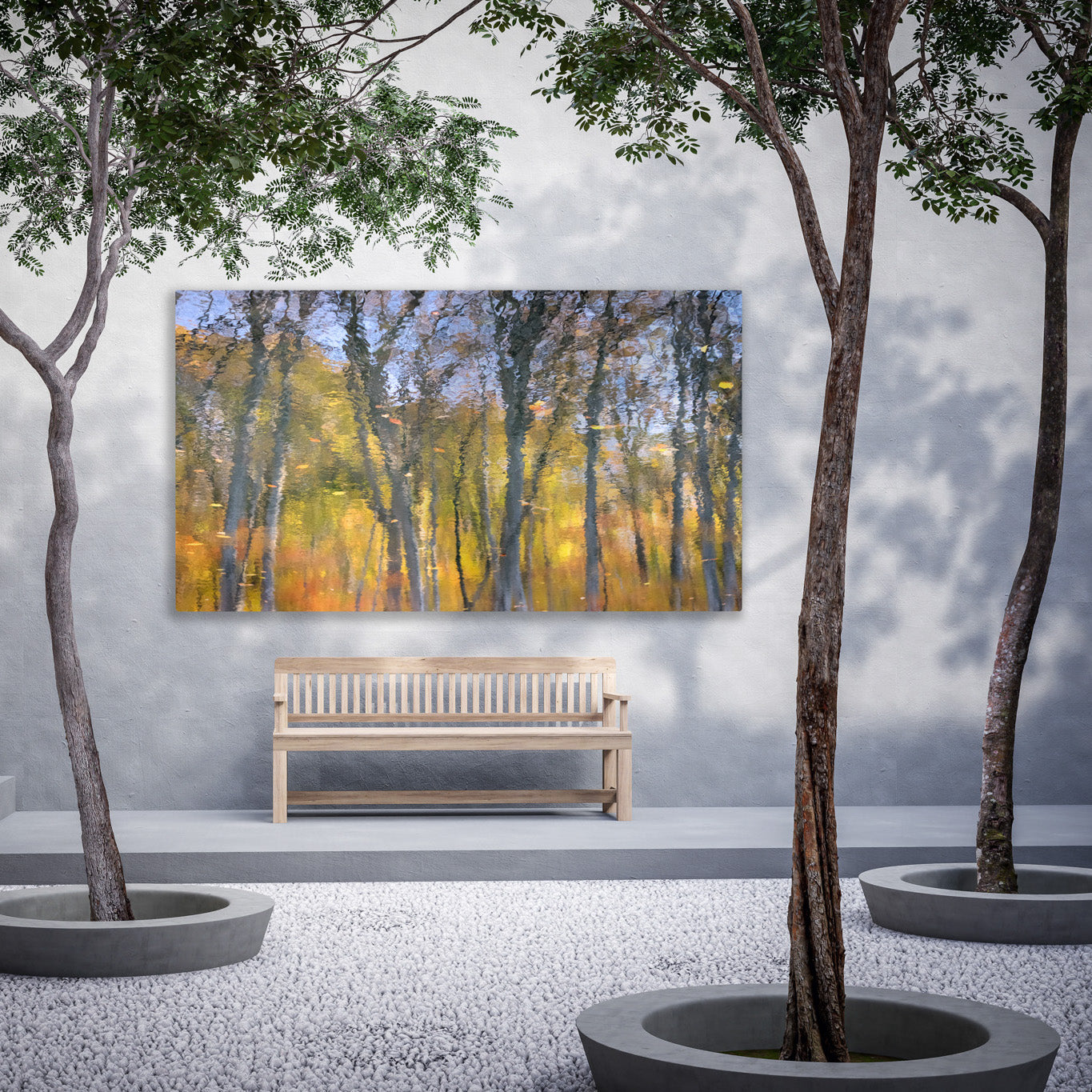
▲ Avoid direct sunlight; hanging the artwork in indirect indoor light is the most stable option.
2. "Comfortable Study" with an Air Purifier and Printer Running
- Human perception: Clean air, convenient for work, perfectly OK!
- Metal print risk: Electrostatic air purifiers and laser printers produce trace amounts of "ozone." Although the metal coating can block most gases, prolonged proximity to high concentrations of ozone can still corrode dye molecules.
- Display recommendation: Please ensure the display location is "away from technological electrical equipment that produces ozone."
3. "Standard Fluorescent Lamps" Common in Offices and Lighting Selection Guide
Regarding display lighting, we must establish two extremely important scientific concepts: "short-term color rendition, long-term preservation."
- Short-term visual (metameric failure): The spectrum of traditional fluorescent lamps is actually "discontinuous." Metal prints are more sensitive to light capture than traditional photographic paper, and under fluorescent lights, they are prone to reflecting a slight greenish tint due to missing spectral components (academically known as metameric failure). This is merely a temporary optical illusion, not damage to the artwork; the color will immediately return to accuracy when the lighting is changed.
- Long-term preservation (photo-oxidation): In physics, all "visible light" carries radiant energy, and exposure over many years (decades) will eventually lead to some degree of fading. High-quality full-spectrum LED lights are favored by museums because they are virtually UV-Free and smooth out the harsh blue light common in cheap bulbs, minimizing the rate and risk of fading.
- Display recommendation: To allow you to appreciate the artwork's purest, crystal-clear layers in the present, while also providing an invisible protective shield to slow down aging over the next few decades, we strongly recommend using full-spectrum LED lights, halogen lights, or warm white light sources with high color rendering index (CRI 90 or above).
4. Dry and Tidy "Original Box Sealed Storage Room" and "Packaging Solvents"
- Human perception: Stored in cardboard boxes and plastic bags in a cabinet, dust-proof and tidy, perfectly OK!
- Metal print risk: This is the most common maintenance tragedy! Ordinary cardboard boxes release acidic gases in stuffy environments, slowly "yellowing" the metal print. Furthermore, common PVC plastic bags release chemicals that soften the coating, causing the image to stick firmly to the plastic bag and utterly destroying it.
- Maintenance recommendation: Upon receiving the artwork, be sure to "immediately unbox for ventilation"! If dust protection is needed, please use safe PE or PP materials, and strictly avoid long-term stuffy storage in PVC plastic bags and ordinary cardboard boxes.

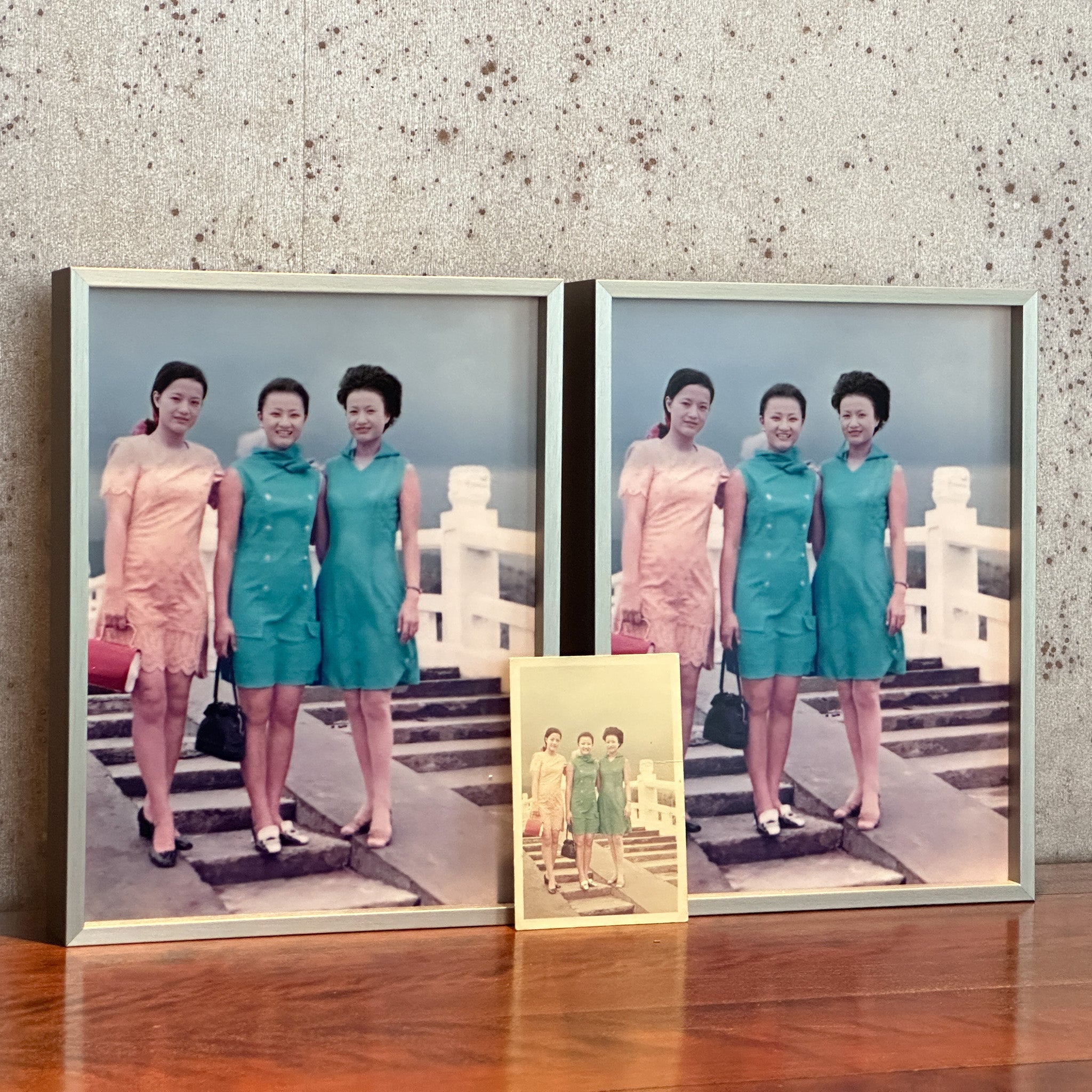
▲ Upon receiving the artwork, be sure to immediately unbox it for ventilation to prevent the cardboard box from releasing acidic gases in stuffy conditions.
Daily Maintenance Trilogy: Giving It Long-Lasting, Stable Companionship
Finally, when you receive your finished metal print, follow these three simple physical and chemical defense steps to keep it looking pristine and translucent for a long time:
-
Unbox and ventilate promptly (isolate multiple pieces laid flat):
• Breathe immediately: After confirming the artwork is undamaged, promptly remove the cardboard box and protective packaging to allow free air circulation.
• Strictly no face-to-face contact: If multiple pieces are not immediately hung and need to be stored flat, do not stack them directly; physical isolation (interleaving) must be performed.
• International isolation guidelines: According to ISO 18936 guidelines, it is recommended to use polytetrafluoroethylene (PTFE / commonly known as Teflon) or extremely smooth polyester film (Mylar) with a thickness between 50 µm and 75 µm.
• Warning against incorrect packaging materials: Never use ordinary acid-free paper with rough plant fibers to prevent "surface polishing and micro-abrasion (Burnishing)" warned by IPI when moving or handling. -
Handle gently with gloves (prevent bending and edge delamination):
• Isolate sweat acids: When handling artwork, it is recommended to wear the dust-free nitrile gloves provided.
• Support with both hands: When handling large artworks, "support evenly with both hands" to avoid grasping one side with a single hand, which can cause physical stress leading to bending of the panel.
• Guard against corner impacts: Although ChromaLuxe aluminum panels are tough, if the four corners strike hard objects, concentrated stress can easily lead to cracking and delamination of the polymer coating. Special protection is needed during transport and exhibition setup. -
Extremely easy daily dusting (strictly no ammonia cleaners):
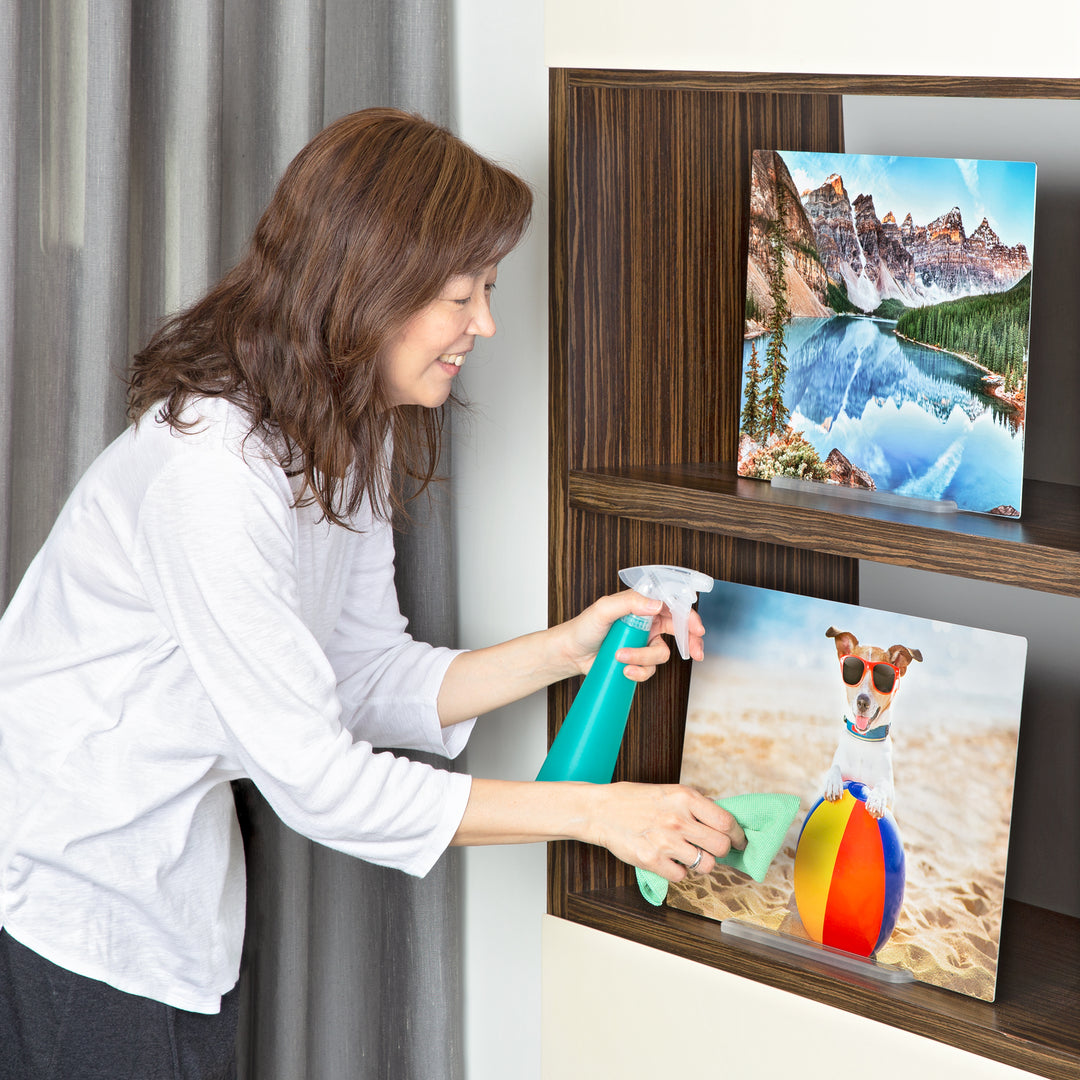
• Damp wipe: The hardened metal surface coating is very scratch-resistant. For daily cleaning, simply use a slightly damp microfiber soft cloth or spray a small amount of diluted alcohol and wipe gently.
(Note: This high chemical resistance specifically refers to original ChromaLuxe® premium aluminum panels; if low-cost sublimation coatings on the market are not fully cured, they can easily dissolve and fog when exposed to alcohol. Please look for genuine original products.) • Strictly no ammonia: Absolutely do not use glass cleaners containing ammonia (such as some glass cleaners)! Strong alkalis will chemically corrode and chronically degrade the coating, causing the crystal-clear luster to dull and lose its texture.

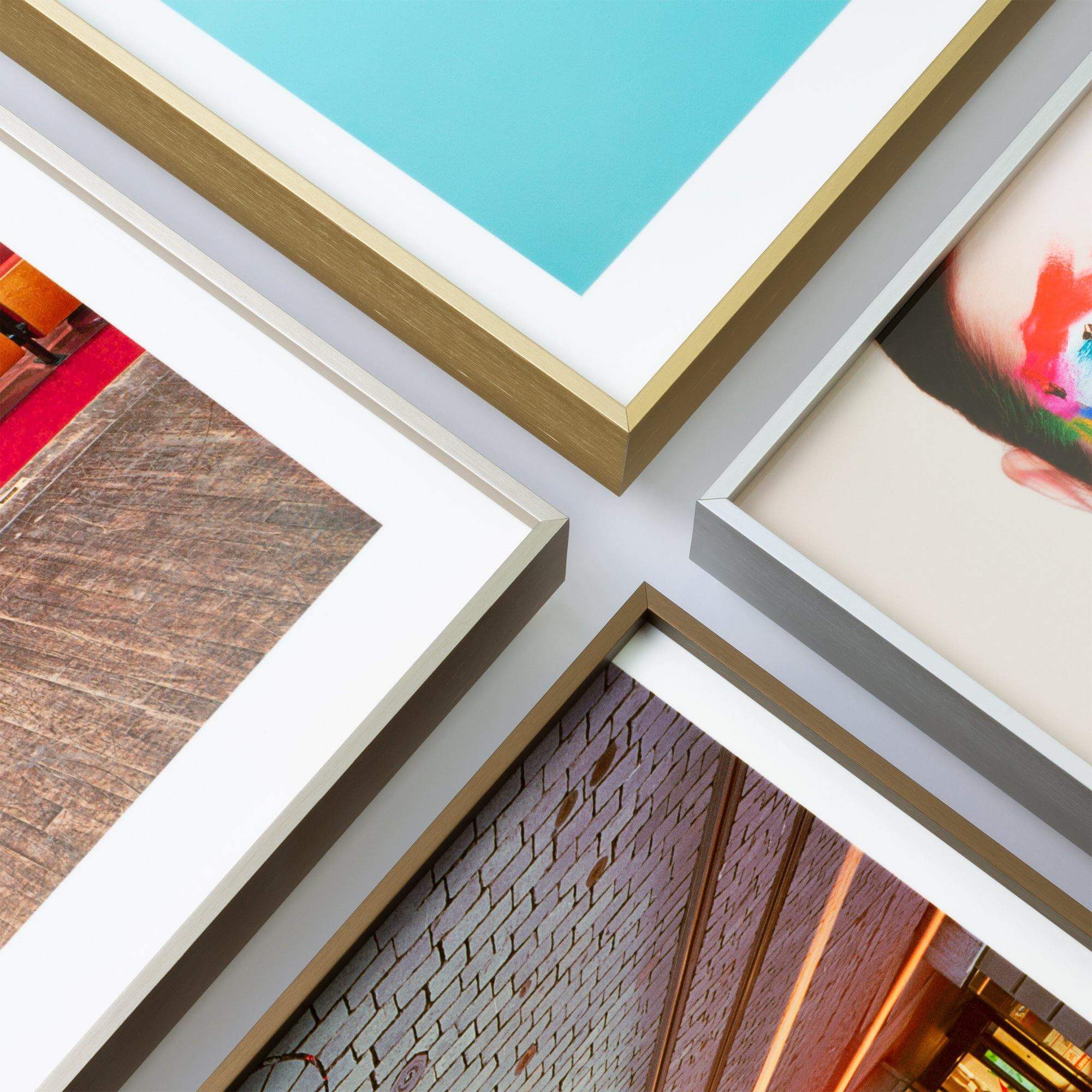
▲ Use a slightly damp soft cloth for easy dusting, ensuring long-lasting, stable companionship.
Sister Weis's Sincere Words
We insist on updating you with the most authentic material limits and maintenance knowledge because we deeply love imagery. As long as you avoid extreme high-temperature stuffiness, sealed storage in original packaging, and keep ammonia and PVC plasticizers away during daily maintenance, metal prints, with their robust physical protection, will absolutely be the most worry-free, graceful, and genuinely moving long-term companion in your space!
[References and Academic Sources]
▼1. ISO 18936:2020(E)
Imaging materials — Processed colour photographs — Methods for measuring thermal stability, ISO.
Corresponds to: Polymer polyester coating Tg, thermal stability limits, Section 7.1.1 gaseous damage, and Section 7.2.5 50~75 µm PTFE/Mylar interleaving specification.
▼2. ISO 18902:2013(E)
Imaging materials — Processed imaging materials — Albums, framing and storage materials, ISO.
Corresponds to: Section 4.2 PVC plasticizer migration hazards and Photo-safe criteria.
▼3. Image Permanence Institute (IPI) Guide (2018)
Preservation of Digitally-Printed Images, RIT.
Corresponds to: Dye-sublimation disperse dye chemical characterization, ozone sensitivity, surface micro-abrasion Burnishing, and packaging off-gassing protection.
▼4. Gruppo del Colore (2022)
Carlblom, L., et al., ChromaLuxe and New Generation Helios Sublimation Inks.
Corresponds to: Photochemical limits of disperse dyes and research background of Helios inks.
▼5. BayPhoto Technical FAQ & Care Guide
BayPhoto Official Guidelines.
Corresponds to: Metal print care prohibition against using ammonia-containing chemical cleaners.
▼6. AIC (2011)
Nishimura, D., et al., Yellowing of Digitally Printed Materials in Cultural Heritage Collections.
Corresponds to: All-dark preservation thermal degradation test and sensitivity analysis of sublimation materials to chemical yellowing.
▼7. Wilhelm Imaging Research (WIR) (2016/2018)
Wilhelm, H., WIR Print Permanence Ratings.
Corresponds to: 65-year fade resistance controlled environment data, glass-free naked display test conditions, and gaseous fading mechanism.
▼8. POVevolving Studio (2025)
The Truth About “Metal Prints” aka Dye Sublimation, Los Angeles.
Corresponds to: Actual case studies of yellowing caused by chemical off-gassing from sealed packaging.